Addiction in the U.P.: Part III

Rick Ellingsen of Negaunee began drinking when he was 14. By high school, he was using marijuana and prescription pills. Moving to progressively harder drugs was never a conscious choice, he said. It felt inevitable.
“When I would try new things, I pretty much knew what I was getting into, but I just didn't care, Ellingsen said. “When I started smoking meth, I knew it wasn't good, but I had to find out for myself.”
During his seventh stint in rehab, the now 27-year-old Ellingsen said he suddenly saw his situation differently.
“They put hope in me and showed me that I don't have to die,” Ellingsen said. “I don't have to go back out there and be miserable.”
With treatment, Ellingsen overcame his addiction. He now works as support staff at the Hancock location of
, an addiction treatment facility.
But treatment options are often limited in the U.P. Covering 29 percent of the state's land area but home to just 3 percent of its population, community resources are spread thin. The entire Upper Peninsula has access to just one doctor of addiction medicine, Dr. John Lehtinen.
“There's such a demand up here because there's so many people that do have a substance use disorder, whether it be pills or alcohol or any drug,” Lehtinen said. “There's a big demand for services, not only for treatment, but also for medication-assisted treatment, which we provide.”
Dozens of addiction clinics help treat patients throughout the U.P., but most programs offer minimal physician involvement, Lehtinen said. Many towns in the U.P. have no substance abuse treatment services at all.
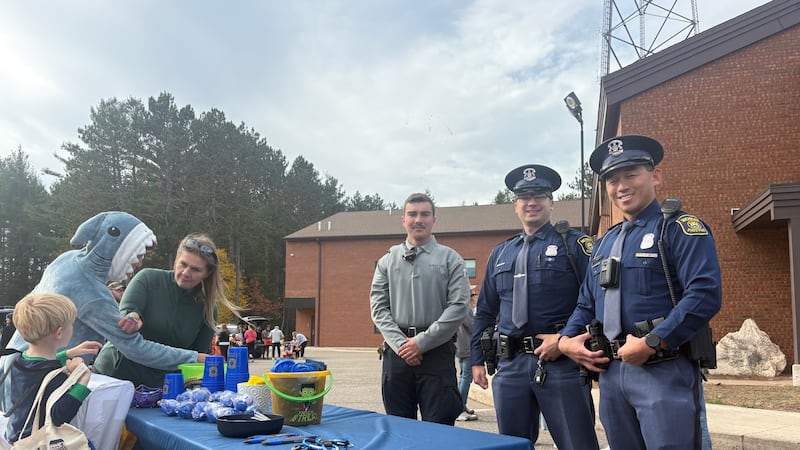
“If you don't have community outreach programs, people are going to fall into using drugs, said Michigan State Police Detective Lieutenant Tim Sholander, who oversees the
. “If they don't have a support program, they're going to continue to use drugs, and they're going to entice other people to use drugs.”
Even when they do get treatment, many addicts don't have a supportive community to which they can return.
“It's really hard,” Ellingsen said. “Every time I went to treatment and got out, I'd always fall back to the same people I was hanging out with to start with because it's kind of hard to avoid, living in a small town.”
The problem seems overwhelming, Lehtinen said. He feels like he's pulling people out of a river, one by one, while millions more are swept into the water.
But he's not alone in the fight. Experts continue working on all fronts—prevention, enforcement and treatment—to solve the U.P. drug problem.