Addiction in the UP: Part II
When Officer John Rice entered the gas station bathroom, he found an unconscious man slumped over the toilet.
“I noticed a male in the bathroom of the Holiday gas station, non-responsive, had a drug needle in his hand, still,” said Rice, a patrolman for the Ishpeming City Police Department. “Wasn't breathing, had a bluish tint to him.”
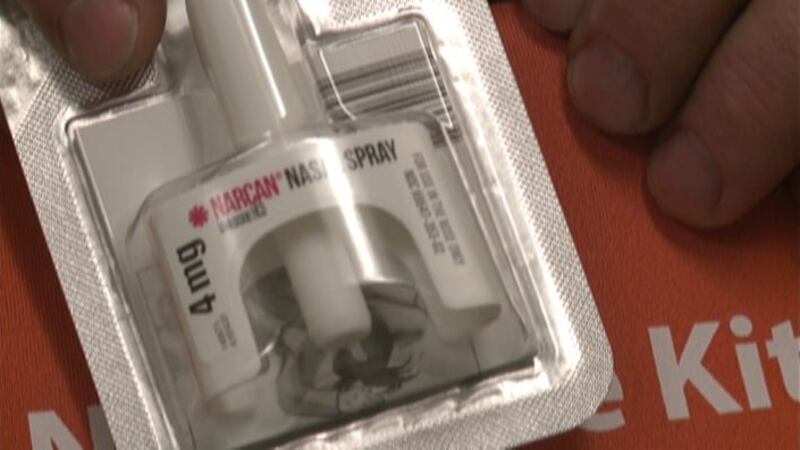
Another Ishpeming police officer arrived to administer the anti-overdose drug Naloxone to the man, saving his life.
Police said incidents like this were becoming more frequent. In the year since the department got access to Naloxone, they've used it three times.
“Law enforcement is doing all they possibly can, but they simply cannot keep up with the magnitude of the problem,” said Jim LaJoie, executive director of the
.
Substance abuse doesn't just pose a threat to users; in 2014, two Ishpeming officers were hospitalized after inhaling fumes while attempting to rescue two unconscious people in an active meth lab.
Law enforcement across the state said they were also dealing with a higher number of cases involving the powerful drugs Fentanyl and Carfentanyl, both of which can absorb through the skin. An amount equivalent to three grains of sugar is lethal.
In January 2017, the Michigan State Police issued an advisory to all law enforcement, instructing them to wear protective gear like gloves and masks when examining white powdery substances.
“As a police officer, one of your first reactions, for years, was always to investigate it and look into it,” Marquette County Sheriff Greg Zyburt said. “Now, the items are so toxic that you really have to step back and analyze the situation before you dive into it.”
Meanwhile, officials are working to target the drug supply. It’s a huge undertaking, since they're still catching up to changing logistics of drug distribution in the U.P.
“It's not so much where we see people driving down to source cities like Chicago, Milwaukee, Detroit to pick up drugs,” said Michigan State Police Detective Lieutenant Tim Sholander, who oversees the
. We're seeing drug dealers from those cities travelling to the Upper Peninsula because they can create more of a market for selling their drugs.”
A more active drug distribution network provides easier access and lower prices, Sholander said. That creates higher demand.
This series continues with a look at the unique treatment challenges people face in the U.P.