UP mental health advocates share their personal journeys
UPPER MICHIGAN (WLUC) - June is Men’s Mental Health Awareness Month. Many men find it difficult to let people know what they’re going through.
“Big, strong men can have cancer,” Jeff Olson, ‘Do It for Daniel’ mental health advocate, said. “Big, strong men can have heart attacks. And it’s the same thing with illnesses of the brain.”
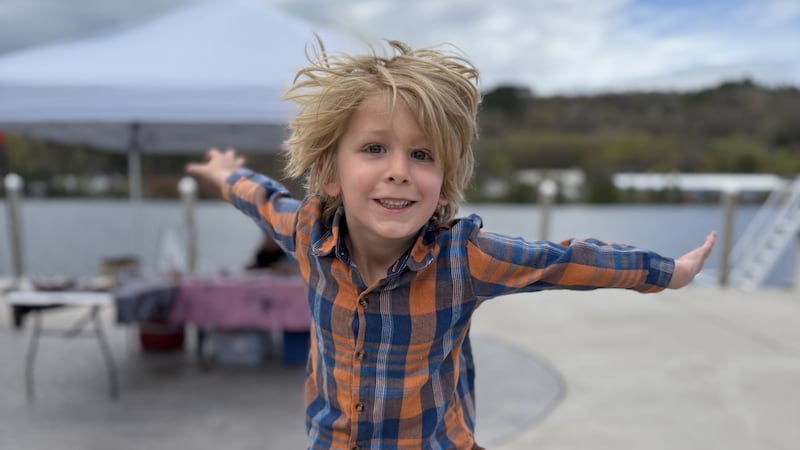
Olson’s son, Daniel, died by suicide in 2012 at the age of 19. Jeff teaches at Ishpeming Public Schools and was the high school’s head football coach for 27 years. Coaching football, he saw firsthand how difficult it was for guys to open up about their mental health.
“You have to have compassion,” Olson said. “And it’s hard for somebody, if a player comes in and says, ‘I’m not myself today, I can’t get it together today.’ Common response always is, ‘Suck it up. Get in there. It doesn’t matter.’ Well, after going through what Daniel went through and seeing that, we as coaches and teachers, bosses in businesses, have to have compassion.”
Olson now makes it his mission to share Daniel’s story, and the importance of compassion and understanding.
“I found out that talking about it and putting it in the open and trying to help people helped me grieve and helped our family grieve,” Olson said.
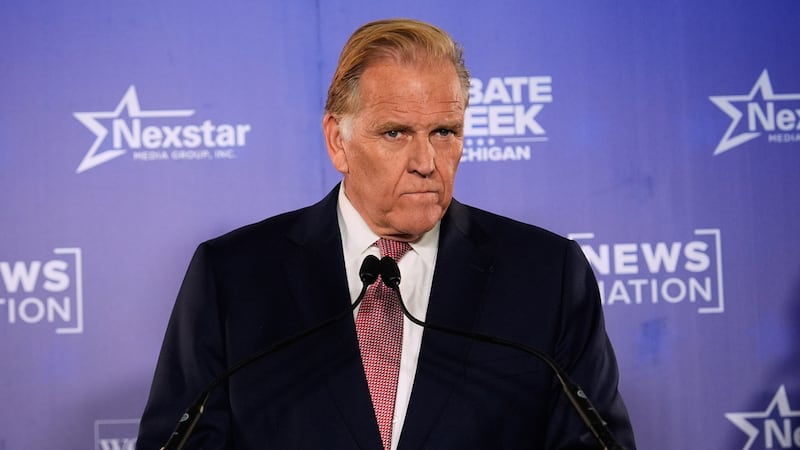
Peter Copenhaver is a clinical social worker at Suunta Integrative Health. Like Olson, he said helping others is healing for him. He said he faced struggles with depression about a dozen years ago.
“I didn’t feel good about myself,” Copenhaver said. “So, I wasn’t gonna feel good about other people or relationships either, right? And so, just inventorying that, I realized I had to make some changes and I got a therapist and that’s where I was able to dig in and get some traction to start making that change.”
Cophenhaver said men have a tendency to squash emotional feelings, but he said he sees positive developments.
“For generations, the overall theme was to suppress those emotions,” Copenhaver said. “To push them down, to be strong, to not show weakness. We weren’t really encouraged to show emotion. And that’s changing.”
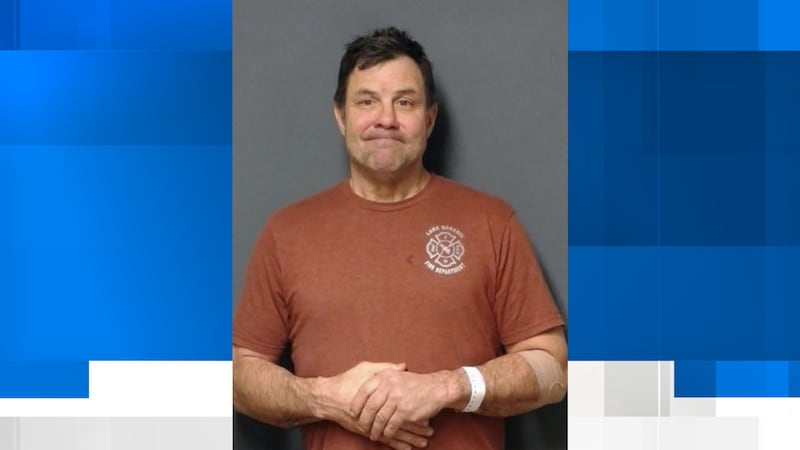
Dave Aro founded the Suicide Survivors Fund with the Community Foundation of Marquette County. He echoed Copenhaver’s observation that a lot of men bottle things up and don’t get the treatment they need.
“I know so many people -- mostly men -- that are very stubborn and they feel like they don’t want help,” Aro said. “They could figure things out on their own, but I would just say that if I had done that, I really don’t know where I would be.”
Aro said he was a witness to a friend’s suicide in 2021, which caused him to suffer from PTSD -- and to take stock of his own mental health. Aro said trends in Marquette County suicide rates are telling.
“When you look at suicide in our county, it’s vast majority men,” Aro said. “And all of the firearm deaths were men.”
Aro said it might never be possible to reach a goal of zero suicides, but changing mindsets is one way to get past stigma.
“Now, my friend, he had been dealing with treatment for depression and in his situation, it was just -- depression’s an illness that’s like cancer,” Aro said. “You know, you can get treatment for it and you can cure it, you can put it in remission or it’ll kill you. And in his situation, he had put it in remission a lot of times, but in the end, it’s what took him and it’s a brain illness just like anything else. I think if people think about mental health and depression like that -- that it is a physical illness and it can be treated as such -- I think that’s one way to get past that stigma of mental health being weakness or making you less of a person.”
If you or anyone you know is struggling with your mental health, please talk to your loved ones.
You can also call the Suicide & Crisis Lifeline at 988.
Click here for more mental health and suicide prevention resources.
Copyright 2024 WLUC. All rights reserved.